AquariumFish.com
Freshwater fishL-127 Columbian False Zebra Pleco
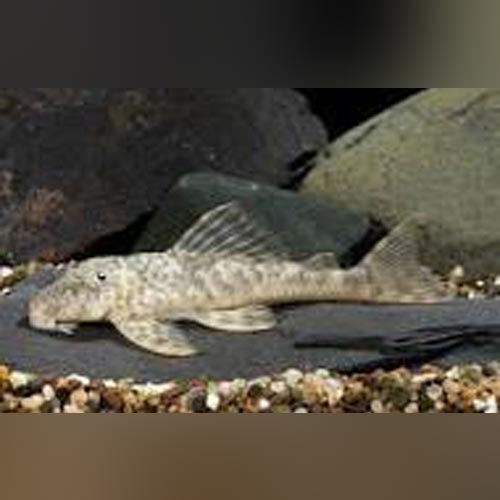
L-127 Columbian False Zebra Pleco
Couldn't load pickup availability
Plecostomus are a specialty of AquariumFish.com. These catfish originate in South America, and many colors, sizes and patterns can be found; so many that common names often aren’t enough to identify one pleco from another, so in 1988 a tropical fish magazine in Germany called DATZ assigned “L” numbers to distinguish species. Though not exactly scientific, the system works. We carry a couple of plecos that have not been assigned their L number, but the Germans are a cautious folk, and we are sure they will get around to it in a precise and correct manner. Medium size is 2” to 3”. Most plecos do better with a little driftwood in the tank.
The L-127 false zebra pleco is a good alternative to the L-46 true zebra pleco, since these fish are one-tenth the price and still feature a very attractive color pattern. Our L-127 plecos are wild-caught under sustainable practices in Colombia. The pattern on the L-127 pleco is slightly more mottled than the similar L-129 pleco.
Quick Facts
| Scientific Name | Hypancistrus sp. (L-127) |
| Origin | Orinoco basin (Colombia, Venezuela) |
| Care Level | Moderate (needs clean, warm, oxygen-rich water) |
| Temperament | Peaceful (shy; territorial with other plecos) |
| Adult Size | Up to 5–6" |
| Lifespan | 10–15+ years |
| Diet | Omnivore (meaty sinking foods) |
| Water Temperature | 78–86°F |
| pH | 6.0–7.5 |
| Group Size | Single, or several with a cave each |
| Shipping Size | Approx. 2" |
Care Guide
Tank setup: These plecos come from warm, fast, clear rivers. Give them a tank with strong current, high oxygen, very clean water, rocky caves (or pleco caves) and a sand or smooth gravel bottom.
Feeding: Feed meaty sinking foods like quality carnivore pellets, ideally in the evening when they are most active. They also enjoy frozen foods like bloodworms and brine shrimp.
Tankmates: They do well with peaceful fish that like warm water, such as tetras, rasboras, discus and dwarf cichlids. Avoid boisterous tankmates that outcompete them for food, and give each pleco its own cave.
Good to know: These plecos are nocturnal and shy; a cave and dim lighting help them feel secure. Many are wild-caught and slow-growing.
Share