AquariumFish.com
Freshwater fishDumbo Ear Betta Male Veil Tail
Dumbo Ear Betta Male Veil Tail
Couldn't load pickup availability
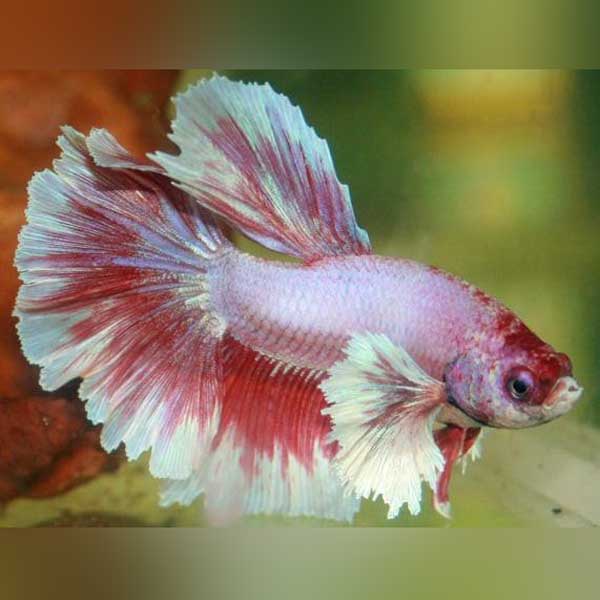
The Dumbo Betta is one of the most ornate and unusual varieties of Betta splendens. This variety has very enlarged pectoral fins that look like large elephant ears on either side of the betta's head, hence they are called "Dumbo Ears" after the children's story about Dumbo the Elephant. These fins may have similar coloration to the body or may even be a contrasting color.
There are many names for the particular betta color patterns, but most are variations of blue and/or red colors. Fish pictured here are representative only. If you are looking for a specific coloration, message us, add to the order notes, or simply allow us to choose one of our favorites for you. When messaging, please note your order number.
Quick Facts
| Scientific Name | Betta splendens |
| Origin | Thailand (captive-bred) |
| Care Level | Easy, good for beginners |
| Temperament | Males fight each other; peaceful toward most other fish |
| Adult Size | Up to 3" |
| Lifespan | 3–5 years |
| Diet | Carnivore (meaty foods) |
| Water Temperature | 76–82°F (needs a heater) |
| pH | 6.5–7.5 |
| Breathes Air | Yes – labyrinth fish take air from the surface |
| Shipping Size | Approx. 2" |
Care Guide
Tank setup: Give him a heater (bettas are tropical fish), a gentle filter and live or silk plants. Floating plants or a "betta leaf" near the surface give him a place to rest. Keep a lid on the tank and leave a gap of air under it, since bettas breathe from the surface.
Feeding: Feed a few betta pellets or a pinch of flake once or twice a day. Bettas overeat easily, so small meals are best. They also enjoy frozen bloodworms.
Tankmates: Never keep two male bettas together. A male can live with small, peaceful fish that don't nip fins, such as corydoras, small rasboras, otocinclus and snails. Avoid fin-nippers like tiger barbs and flashy, long-finned fish like fancy guppies.
Good to know: The big "dumbo ear" pectoral fins and long tail make these slower swimmers. Keep flow gentle and add resting spots like floating leaves near the surface.
Share