AquariumFish.com
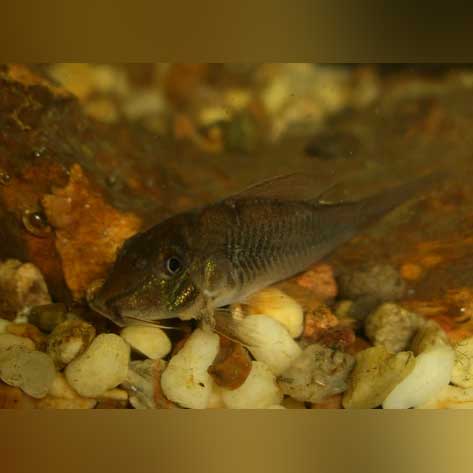
Freshwater fishCory Septentrionalis
Cory Septentrionalis
Couldn't load pickup availability
Long nose corydoras, such as the cory septentrionalis (saying the name makes you smarter), have longer snouts, which can give them a kind of puppy dog appearance, and they "sniff" their way about the tank floor. The septentrionalis is one of the more rare cory and as such costs a bit more. Behavior and care are similar to the leopard spot cories like cory julii and cory agassizi.
Quick Facts
| Scientific Name | Corydoras septentrionalis |
| Origin | Venezuela |
| Care Level | Moderate |
| Temperament | Peaceful |
| Adult Size | Up to 2" |
| Lifespan | 5–10 years |
| Diet | Omnivore (bottom feeder) |
| Water Temperature | 72–79°F |
| pH | 6.0–7.0 |
| Group Size | Does best in a group |
| Shipping Size | Approx. 1" |
Care Guide
Tank setup: Give them a heater, a gentle filter and a soft sand or smooth, fine gravel bottom. Plants, driftwood and a few shady spots help them feel secure. Corys are sensitive to salt and some medications (especially copper), so check labels before treating the tank.
Feeding: Corys need their own food, not just leftovers. Feed sinking pellets or wafers once or twice a day so food reaches the bottom. They also enjoy frozen foods like bloodworms and brine shrimp.
Tankmates: Corys get along with almost any peaceful community fish, such as tetras, rasboras, livebearers, gouramis, angelfish and bettas. Avoid large fish that could swallow them and aggressive bottom dwellers.
Good to know: Corys sift through the substrate with their sensitive barbels, so soft sand or smooth, fine gravel keeps those barbels healthy.
Share