SLA
Saltwater invertebrateCerith Snail
Cerith Snail
Couldn't load pickup availability
Cerith Snail: The Essential Sand Stirrer
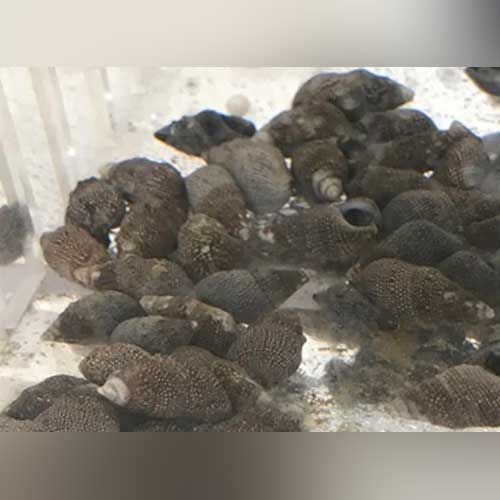
The Cerith Snail (Cerithium species, such as Cerithium caeruleum or C. litteratum) is one of the most popular and effective members of the marine aquarium clean-up crew. Easily recognized by its high, conical (spire-shaped) shell, which can reach up to 1.5 inches (4 cm), this snail uses its slender foot to move across rockwork and, critically, burrow through the sand bed.
Native to warm, shallow waters across the Atlantic, Caribbean, and Indo-Pacific, Cerith snails are highly desirable for their multifaceted cleaning roles. They are tireless algae grazers on hard surfaces, and excellent sand sifters that consume detritus and uneaten food buried in the substrate. Their burrowing activity helps aerate the sand bed, preventing the buildup of toxic anaerobic pockets.
The Cerith Snail is a hardy, peaceful, and beginner-friendly invertebrate. Its conical shell makes it difficult for predatory hermit crabs to successfully attack, and it provides significant maintenance benefits to any reef or fish-only system.
Diet & Compatibility:
- Diet: The Cerith Snail is an Omnivore / Detritivore. Its primary food sources include various types of nuisance algae, including diatoms (brown slime), cyanobacteria (red slime, or "red algae"), and thin green film algae found on glass and rock. They also consume detritus, organic waste, and uneaten fish food found in and on the sand bed.
- Feeding: In a well-established tank, they will likely sustain themselves on naturally occurring algae and waste. If the tank is very clean, it is essential to supplement their diet with high-quality marine algae wafers or nori (seaweed) to prevent starvation.
- Reef Compatibility: It is Reef Safe. Cerith Snails are beneficial and pose no threat to corals, fish, or other invertebrates. They are intolerant of copper-based medications and require gradual acclimation (drip acclimation is recommended).
- Temperament: It is Peaceful. They should be housed with other docile invertebrates and fish. Avoid housing them with known snail predators, such as Pufferfish, Triggerfish, large aggressive Wrasses, and highly predatory, shell-attacking crabs.
- Cleanup Role: This snail is one of the best for a comprehensive clean-up crew due to its ability to clean multiple surfaces (glass, rock, and sand) simultaneously. Maintain a population of at least 1-2 snails per gallon for effective cleaning.
Quick Facts
- Scientific Name: Cerithium sp. (species varies, commonly C. caeruleum or C. litteratum)
- Primary Common Name: Cerith Snail
- Other Common Names: Creeper Snail, Sand Snail, Cerith Sand Snail
- Origin: Atlantic, Caribbean, Indo-Pacific (Widespread)
- Max Size: 1-1.5 inches (2.5-4 cm)
- Temperament: Peaceful (Excellent Clean-up Crew)
- Diet: Omnivore / Detritivore (Algae, detritus, cyanobacteria)
- Minimum Tank Size: 10 Gallons
- Reef Compatibility: Yes (Highly beneficial)
Share