AquariumFish.com
Freshwater fishApistogramma Agassizi
Apistogramma Agassizi
Couldn't load pickup availability
Apistogramma Agassizi (Wild)
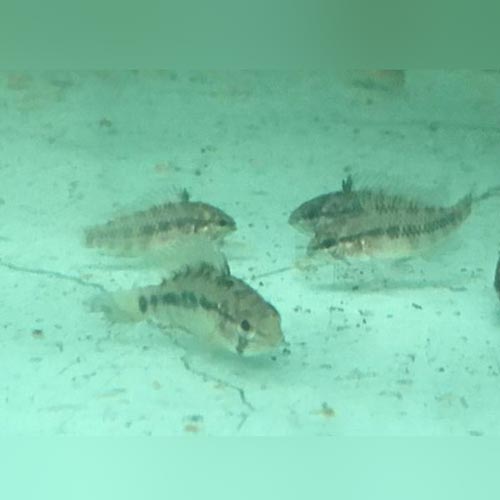
Apistogramma agassizi in the wild come in several color morphs. The most common is gold and red, and these hail from Colombia. These wild apistogrammas are true dwarf cichlids that are gentle and will do well with other peaceful fish. Larger-size fancy shrimp are also fine with these species, but do not introduce small fancy shrimp to the tank once the apistos approach their full size.
Quick Facts
| Scientific Name | Apistogramma agassizii |
| Origin | Brazil, Colombia and Peru (Amazon basin) |
| Care Level | Moderate |
| Temperament | Peaceful (males territorial with each other) |
| Adult Size | Males up to 3"; females about 2" |
| Lifespan | 3–5 years |
| Diet | Omnivore (tiny foods) |
| Water Temperature | 76–84°F |
| pH | 5.0–7.0 |
| Shipping Size | Approx. ¾" |
Care Guide
Tank setup: Give them a heater, a gentle filter, dim lighting and lots of plants, driftwood and leaf litter. Add a cave (a coconut shell or small clay pot) for each female. Most apistos prefer soft, slightly acidic water.
Feeding: Feed small pellets or flake once or twice a day. They also enjoy frozen foods like bloodworms and brine shrimp.
Tankmates: Keep them with small, peaceful fish such as tetras, rasboras, pencilfish, otocinclus and corydoras. A calm school of small "dither" fish helps apistos feel safe enough to come out. Keep one male per tank unless it is large and well planted, and avoid large or boisterous fish. Adults may eat small shrimp and baby shrimp.
Breeding: Apistos are cave spawners. The female lays her eggs inside a cave and guards the fry, while the male patrols the territory. One male with several females works well in a planted tank.
Good to know: Wild agassizii come in several regional color forms. Soft, acidic water brings out the best color in the males.
Share