AquariumFish.com
Freshwater fishTrue Parrot Cichlid
True Parrot Cichlid
Couldn't load pickup availability
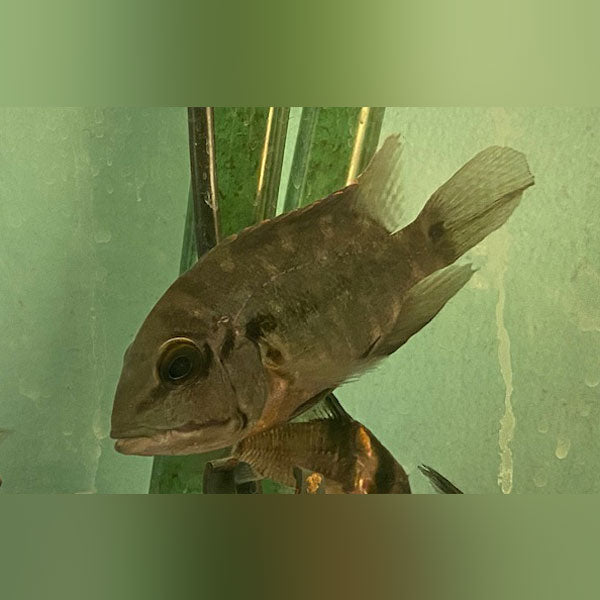
We have to say "true" parrot cichlid because this is the real thing, not the hybridized version found all over the pet trade that shares the same name. These parrot cichlids come from Colombia in the wild and have no relation to the common parrot cichlid other than they both have distinguishing large "bird-like" eyes.
The true parrot cichlid has a turquoise body with olive and black markings and vivid red eyes. Colors get bolder as the fish gets older. The mouth is also unique; the true parrot cichlid looks like it has a constant frown. True parrot cichlids (unlike the red devil hybrids) are more peaceful than most other large South American cichlids. They do swallow small fish, though, so choose wisely. Also, parrot cichlids are hardy as long as the pH is below 7.8, and they adapt well to pellet food.
Quick Facts
| Scientific Name | Hoplarchus psittacus |
| Origin | Rio Negro and Orinoco basins (Colombia, Venezuela, Brazil) |
| Care Level | Moderate (needs soft, acidic water) |
| Temperament | Peaceful for a cichlid |
| Adult Size | Up to 10–12" |
| Lifespan | 10–15 years |
| Diet | Omnivore |
| Water Temperature | 76–84°F |
| pH | 5.0–7.0 |
| Group Size | Single, pair or small group |
| Shipping Size | Approx. 4" |
Care Guide
Tank setup: Give them a sand or fine gravel bottom, driftwood, rocks and sturdy plants. Good filtration is important, since these cichlids grow large and produce a lot of waste.
Feeding: Feed a quality cichlid pellet or flake once or twice a day. They also enjoy frozen foods like bloodworms and brine shrimp.
Tankmates: They do well with other peaceful South American cichlids of similar size like angelfish, eartheaters and severums, plus larger tetras, silver dollars and plecos. They may eat very small fish.
Good to know: These cichlids are known for their personality and often learn to recognize their owners.
Share