AquariumFish.com
Freshwater fishRanchu Goldfish
Ranchu Goldfish
Couldn't load pickup availability
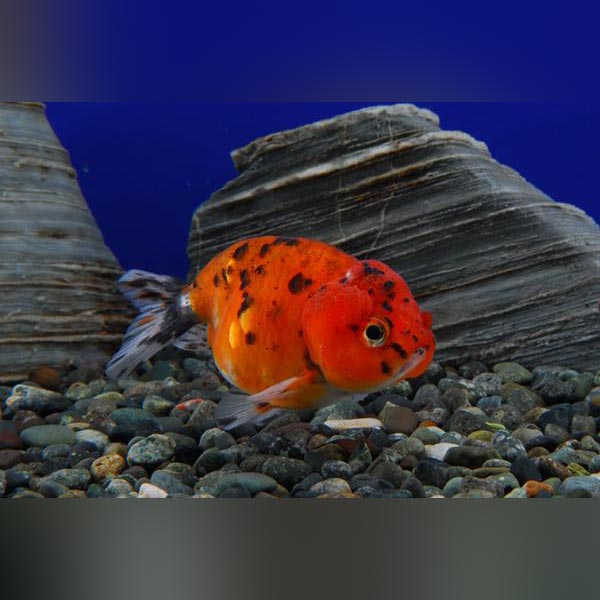
To give the ancient Japanese and Chinese breeders some credit, fancy goldfish of the time were kept in ponds and ceramic vases and viewed from the top, so the round body and strange wen highlighted the visibility and beauty of the fish. Viewed from the side in an aquarium, the round body and exaggerated fins and wen can look a bit odd.
The Ranchu Goldfish is a typical example of a highly bred fancy goldfish. Japanese breeders developed the Ranchu three hundred years ago to create fish with an even shorter body than the lionhead goldfish but with less wen, a "more elegant" version of the Chinese lionhead. The body and colors of the Ranchu are similar to the Lionhead, but the Ranchu has a downturned caudal fin to "shorten" the body.
Quick Facts
| Scientific Name | Carassius auratus |
| Origin | Japan |
| Care Level | Moderate |
| Temperament | Peaceful |
| Adult Size | Up to 6" |
| Lifespan | 10–15 years, often longer with good care |
| Diet | Omnivore |
| Water Temperature | 65–75°F (no heater needed in most homes) |
| pH | 7.0–8.0 |
| Shipping Size | Approx. 2–4" |
Care Guide
Tank setup: Ranchus produce a lot of waste, so give them plenty of room and a strong filter. Use smooth decorations and live or silk plants, and keep the water current gentle.
Feeding: Feed small amounts of a quality sinking pellet or flake once or twice a day, only as much as they eat in a couple of minutes. Sinking foods are easier for them to find than floating ones. They also enjoy frozen foods like bloodworms and brine shrimp.
Tankmates: Keep them only with other slow-swimming fancy goldfish, such as telescopes, black moors, celestials, bubble eyes, lionheads and ranchus. Avoid faster goldfish like comets, shubunkins and even lively ryukins, which will outcompete them for food. Also avoid tropical fish and fin-nippers.
Ponds: Ranchus can live in ponds in mild climates, but they are less cold-hardy than comets and shubunkins. Bring them indoors where winters are harsh, and keep them away from fast, aggressive pond fish.
Good to know: With no dorsal fin, they are slow, wobbly swimmers. Keep the water very clean, since the wen (head growth) can trap debris.
Share