AquariumFish.com
Freshwater fishElephant Nose Fish
Elephant Nose Fish
Couldn't load pickup availability
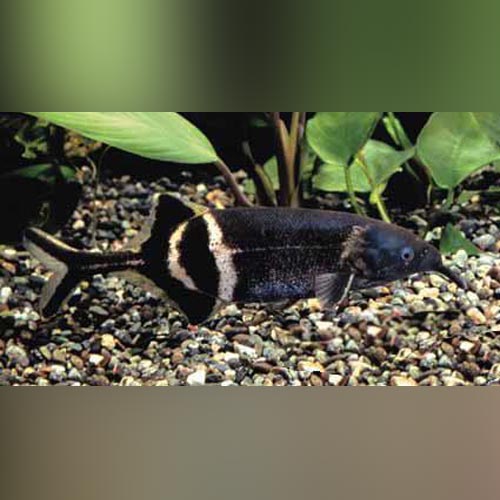
The elephant nose evolved to locate prey through a low voltage electric field. This takes a lot of brain power, so in one aspect these fish have a higher brain mass to body weight than humans or dolphins. There has never been a report that anyone has successfully applied for their assistance with homework. However, most agree that they are a fascinating feature in the tank. They do need live and/or frozen foods, not known as flake or pellet eaters. We feed frozen blood worms to our elephants.
Quick Facts
| Scientific Name | Gnathonemus petersii |
| Origin | West and Central Africa |
| Care Level | Moderate |
| Temperament | Peaceful (territorial with its own kind) |
| Adult Size | Up to 9" |
| Lifespan | 6–10 years |
| Diet | Carnivore (small meaty foods) |
| Water Temperature | 75–82°F |
| pH | 6.5–7.5 |
| Group Size | Single |
| Shipping Size | Approx. 5" |
Care Guide
Tank setup: Give them a soft sand bottom, caves or tubes to hide in, dim lighting and a tight lid. They are most active in the evening.
Feeding: Feed small frozen foods like bloodworms once or twice a day, ideally in the evening. Some learn to take small sinking pellets.
Tankmates: Elephant noses are peaceful with other fish but may squabble with their own kind. Keep them with calm fish that won't outcompete them for food.
Good to know: Elephant noses use their long "trunk" to probe the sand for worms, and they sense food with a weak electric field.
Share