AquariumFish.com
Freshwater fishPrehistoric Dragon Goby
Prehistoric Dragon Goby
Couldn't load pickup availability
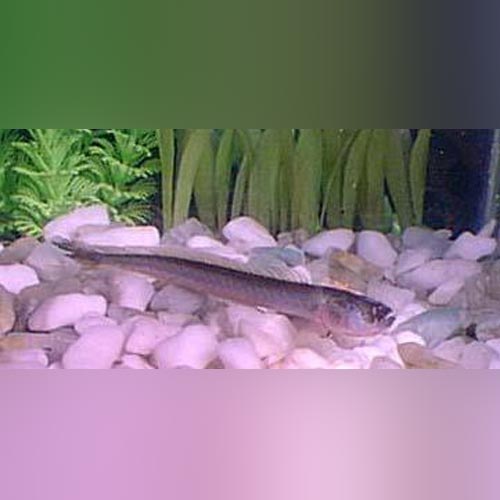
The prehistoric dragon goby looks like something out of the ancient past. These little beasts are actually peaceful and will only consume the smallest of aquatic species, such as fancy shrimp. In the wild these gobies sift through mud for small critters to eat; in the aquarium they readily adapt to scavenging and frozen foods or live blackworms. We import our dragon gobies from Ecuador. Dragon gobies adapt to brackish and freshwater fish tanks, but a little salt is a good idea even in a freshwater aquarium. Also, regarding salt, we put about four ounces in 20 gallons, but these fish are hit or miss. If they do not like your water, they may perish within a week, so don't fall in love with them too quickly, and let customer service know if you have issues.
Quick Facts
| Scientific Name | Gobioides sp. (sold as G. broussonnetii) |
| Origin | Coastal Americas (wild-caught; ours from Ecuador) |
| Care Level | Moderate (needs brackish water and a soft sand bottom) |
| Temperament | Peaceful (but eats very small fish and shrimp) |
| Adult Size | Up to 15–20" |
| Lifespan | 8–10 years |
| Diet | Omnivore (sifts sand for food) |
| Water Temperature | 75–82°F |
| pH | 7.5–8.5 |
| Group Size | Single or small group |
| Shipping Size | Approx. 6" |
Care Guide
Tank setup: Dragon gobies need a soft, fine sand bottom to sift through, caves or pipes to hide in, and brackish water (specific gravity about 1.005–1.010). Keep a tight lid on the tank.
Feeding: Feed sinking pellets and algae wafers. They sift food from the sand, so sinking foods work best. They also enjoy frozen foods like bloodworms and brine shrimp.
Tankmates: Keep them with peaceful brackish fish such as mollies, monos and scats that won't outcompete them for food. They may eat very small fish and shrimp.
Good to know: Dragon gobies have poor eyesight and find food by sifting sand. Their fierce-looking teeth are used for scraping, not attacking.
Share