AquariumFish.com
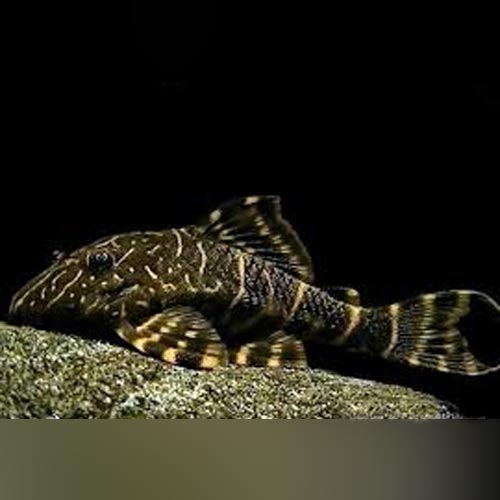
Freshwater fishL-104 Clown Stripe Pleco
L-104 Clown Stripe Pleco
Couldn't load pickup availability
Plecostomus are a specialty of AquariumFish.com. These catfish originate in South America, and many colors, sizes and patterns can be found; so many that common names often aren’t enough to identify one pleco from another, so in 1988 a tropical fish magazine in Germany called DATZ assigned “L” numbers to distinguish species. Though not exactly scientific, the system works. We carry a couple of plecos that have not been assigned their L number, but the Germans are a cautious folk, and we are sure they will get around to it in a precise and correct manner. Medium size is 2” to 3”. Most plecos do better with a little driftwood in the tank.
The clown pleco has an orange stripe pattern to earn the name. These little catfish are not scary clowns; the species is compatible with pretty much all other fish in the aquarium, except those that can eat them. One advantage of the clown pleco is that it will not outgrow even a small aquarium.
Quick Facts
| Scientific Name | Panaqolus maccus (L-104) |
| Origin | Orinoco basin (Venezuela and Colombia) |
| Care Level | Easy to moderate |
| Temperament | Peaceful (territorial with other plecos) |
| Adult Size | Up to 3½–4" |
| Lifespan | 10–12+ years |
| Diet | Herbivore (driftwood, algae wafers) |
| Water Temperature | 75–82°F |
| pH | 6.0–7.5 |
| Group Size | Single, or several with a cave each |
| Shipping Size | Approx. 2" |
Care Guide
Tank setup: These small plecos rasp and digest wood, so driftwood is essential, not just decoration. Give them caves, driftwood and good filtration, since wood-eaters produce a lot of waste.
Feeding: Feed algae wafers and sinking pellets, and always keep driftwood in the tank, since they rasp on it as part of their diet.
Tankmates: They get along with most peaceful community fish. Keep only one per cave, since plecos can be territorial with each other.
Good to know: Wood-eating plecos produce fine "wood dust" waste, which is normal.
Share