JBJ
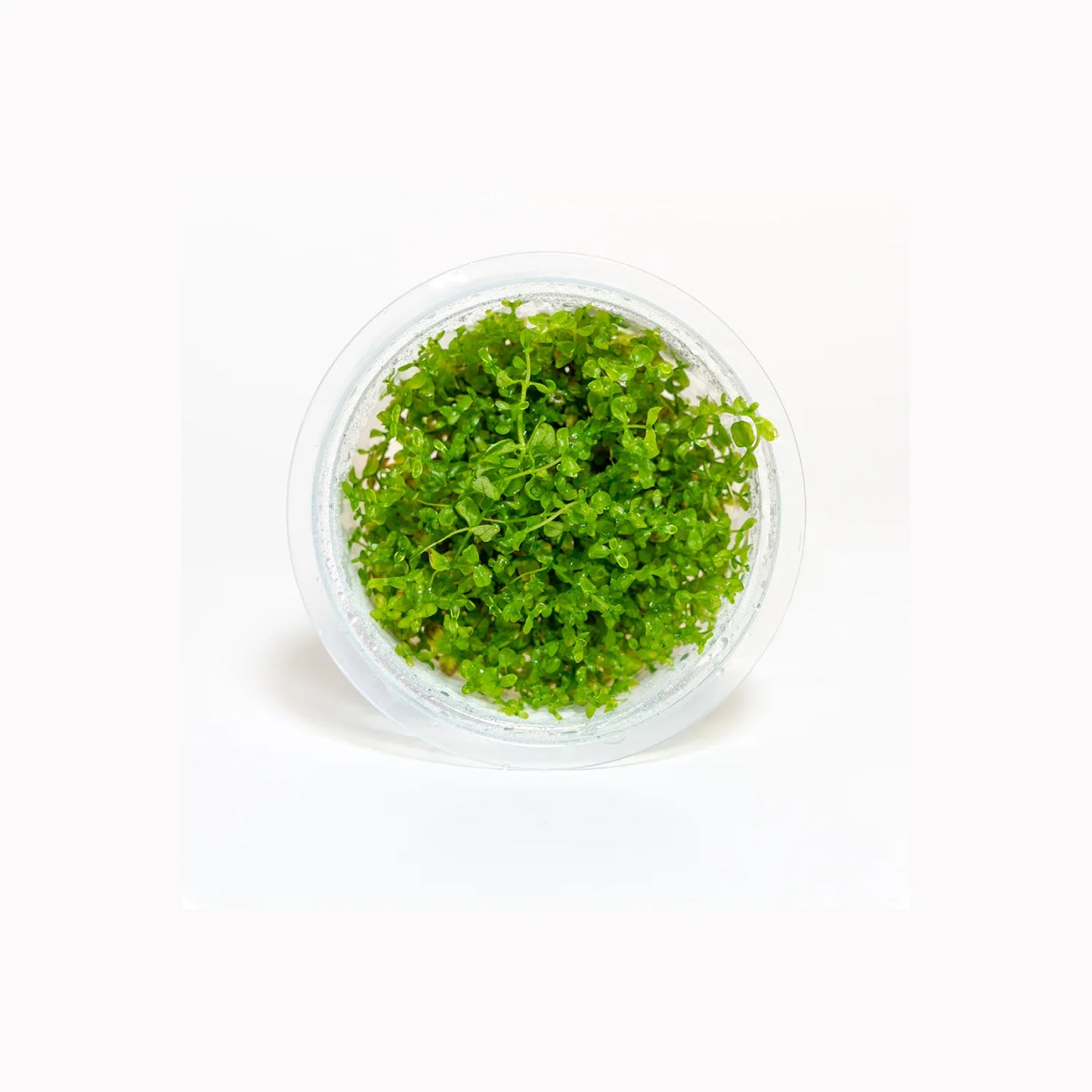
Aquarium plantHemianthus micranthemoides - Tissue Culture
Hemianthus micranthemoides - Tissue Culture
Couldn't load pickup availability
Hemianthus micranthemoides: The Versatile Pearlweed
The plant commonly sold in the aquarium trade as Hemianthus micranthemoides is a bright green, delicate stem plant/tissue culture known to hobbyists as Pearlweed or Pearl Grass. Despite the widespread use of this name on commercial packaging, the actual plant found in the hobby is botanically known as Hemianthus glomeratus (or Micranthemum glomeratum ). The true H. micranthemoides is a distinct species, possibly extinct in the wild, which is rarely, if ever, seen in cultivation. For the purposes of aquarists, however, the name Hemianthus micranthemoides remains the primary common tag for this versatile plant.
Pearlweed is a highly adaptable species, capable of growing from a lush, low-lying carpet in the foreground to a dense, bushy background accent. Its growth habit is directly influenced by lighting: high light and frequent trimming encourage compact, horizontal, and carpeting growth, while low light causes the stems to stretch vertically, making it suitable for the midground or background. Its tiny, rounded leaves give it a fine texture that contrasts beautifully with larger-leaved plants.
One of the most appealing features of Pearlweed is its adaptability to both high-tech (CO₂ injected) and low-tech (no CO₂) environments. In high-tech tanks, it grows exceptionally fast and often produces heavy pearling (oxygen bubbles), while in low-tech setups, it remains a reliable, if slower, option for adding vibrant green color and density.
Care & Planting:
- Lighting: Medium to High. Moderate light is sufficient for growth, but high light is required to force the plant to grow short and dense for a carpeting effect. In low light, it will become leggy and grow upwards.
- CO₂ Supplementation: Optional, but Highly Recommended. CO₂ injection significantly boosts the growth rate, encourages bushier, more compact growth, and facilitates the desirable pearling effect. It thrives well without CO₂, but requires regular liquid fertilization.
- Substrate & Fertilization: Water Column Feeder. While it grows in any substrate (sand, gravel, or soil), it benefits most from liquid fertilizers containing macronutrients (Nitrogen, Phosphorus, Potassium) and micronutrients (especially Iron). Nutrient deficiency, especially of nitrates, can cause growth stalling or yellowing.
- Planting: Divide the plant into small clusters or individual stems and plant them into the substrate using tweezers, spacing them an inch or two apart. Planted densely and trimmed aggressively, it will eventually fill in via runners to form a thick carpet.
- Pruning: Frequent trimming is essential. To maintain a carpet, "mow" the plant aggressively. Pruning the top sections encourages side-shoots and lateral growth, which is key to achieving a dense, manicured lawn. The trimmings can be re-planted to propagate new growth.
Quick Facts
- Scientific Name (Commercial Name): Hemianthus micranthemoides
- Scientific Name (Botanical Name): Hemianthus glomeratus (Likely species sold as Pearlweed)
- Primary Common Name: Pearlweed
- Other Common Names: Pearl Grass, Dwarf Baby Tears (confused with Hemianthus callitrichoides )
- Origin: North America (Florida is the native range of the cultivated species)
- Max Height: 2-6 inches ( 5−15 cm) (Up to 12 inches if allowed to grow tall)
- Growth Rate: Moderate to Fast (Fastest with CO₂ and high light)
- Difficulty: Easy to Medium
- CO₂: Optional (Recommended for carpeting)
- Water Temperature: 66° to 82°F (19° to 28°C)
- pH Range: 6.5 - 7.5 (Very adaptable)
- Placement: Foreground (carpet), Midground, or Background
Share