AquariumFish.com
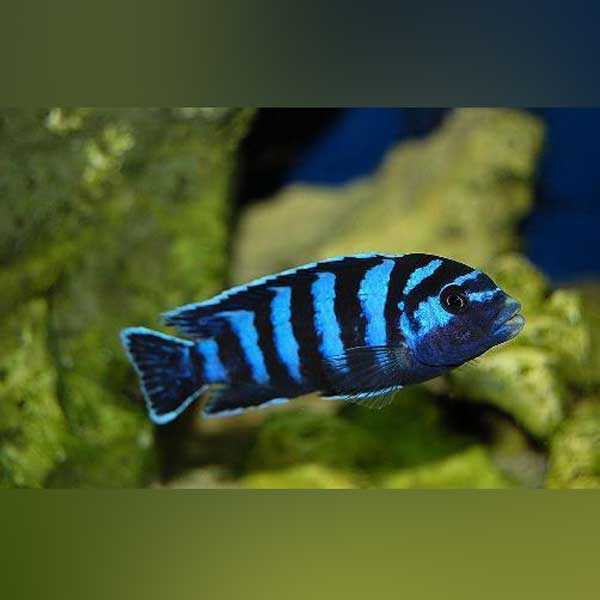
Freshwater fishDemasoni Cichlid (Group of 3)
Demasoni Cichlid (Group of 3)
Couldn't load pickup availability
Demasoni are beautiful and curious fish, continuously exploring the nooks around the aquarium. They only get to 4", so they are a good fit with other mid-size and smaller cichlids. Slow growers and a bit more difficult to breed, they are priced accordingly. Demasoni are distinguished by the bold reflective blue vertical stripes along the entire body of the fish. Small samples of these can be found at PetSmart for as low as $9.00 for a 1/2-inch fish, but we believe superior breeding and better size will improve the aquatic experience. Hence, a bigger fish at a bigger price.
Quick Facts
| Scientific Name | Pseudotropheus demasoni |
| Origin | Lake Malawi, Africa |
| Care Level | Moderate |
| Temperament | Aggressive (territorial rock-dweller) |
| Adult Size | Up to 4" |
| Lifespan | 6–10 years |
| Diet | Omnivore (needs plenty of plant matter) |
| Water Temperature | 76–82°F |
| pH | 7.8–8.6 |
| Minimum Tank Size | 55 gallons (4 ft) for a group |
| Shipping Size | Small: approx. 1–1½" · Medium: approx. 2" |
Care Guide
Tank setup: Use a sand or crushed-coral bottom and stack plenty of rockwork with caves and hiding spots so each male can claim a territory and others can escape. Lake Malawi and Lake Tanganyika cichlids need hard, alkaline water; crushed coral or aragonite sand helps hold the pH up. Change about 25% of the water every week.
Feeding: Mbuna are mostly plant eaters. Feed a spirulina or vegetable-based flake or pellet once or twice a day. Avoid high-protein foods like beefheart and bloodworms, which can cause Malawi bloat.
Tankmates: Keep mbuna with other mbuna of similar size and temperament, stocked in a group to spread out aggression. Avoid mixing them with peaceful peacocks and haps unless the tank is large, and avoid closely related species that look alike, which can crossbreed.
Good to know: Demasoni are small but very aggressive with each other. Keep them in a group of 12 or more, or a single fish, so the aggression is spread out.
Share