SLA
Saltwater invertebrateAstrea Snail
Astrea Snail
Couldn't load pickup availability
Astrea Snail: The Cone-Shaped Algae Crusher
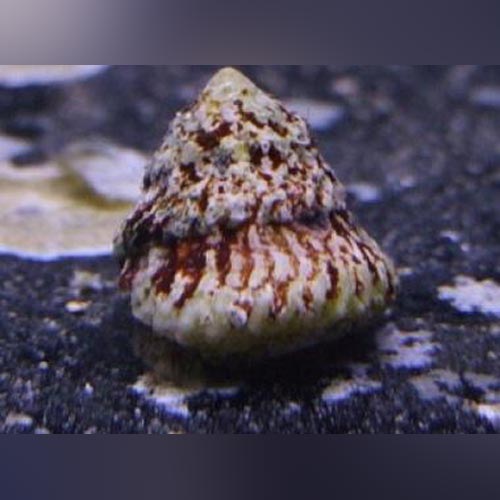
The Astrea Snail, scientifically known as Astraea tecta (or sometimes Lithopoma tectum), is one of the most popular and essential members of the marine aquarium cleanup crew. Also commonly called the Astrea Conehead Snail or Star Snail, this gastropod is native to the Caribbean and Western Atlantic, thriving in the warmer, rocky coastal areas of the reef.
Easily recognizable by its sharp, pyramid-shaped shell, the Astrea Snail is a highly efficient herbivore that tirelessly grazes on nuisance algae on live rock and aquarium glass. They are particularly effective at consuming diatoms, film algae, and various forms of cyanobacteria.
The Astrea Snail's conical shell, while distinctive, poses a unique challenge: unlike some other Turbo snails, the Astrea Snail cannot right itself if it falls upside down onto a flat surface, such as an open sand bed. If flipped, it will quickly die unless an aquarist or a compatible tankmate (like a small hermit crab) turns it back over. Due to their smaller size (typically 1−2 inches), they are often preferred in nano or smaller reef tanks as they are less likely to bulldoze unsecured corals than their larger Mexican Turbo cousins.
Diet & Compatibility:
- Diet: A dedicated Herbivore. It primarily grazes on microalgae, film algae, and diatoms found on rockwork and glass. It is a vital cleaner for surfaces and crevices inaccessible to larger snails.
- Feeding in Captivity: In tanks with heavy algae growth, they are self-sufficient. In cleaner, well-established reef tanks, their diet must be supplemented with dried seaweed (nori) clipped to the rock or vegetable-based pellets/wafers to prevent starvation. Calcium and magnesium levels must be stable to ensure healthy shell growth.
- Reef Compatibility: It is Reef Safe. The Astrea Snail is a peaceful grazer and will not harm corals, fish, or other desirable invertebrates. Its primary function is to maintain a clean ecosystem.
- Temperament: Peaceful. They should only be housed with non-aggressive fish and invertebrates. They are a common prey item for predatory fish (e.g., Puffers, Triggers, large Wrasses) and large, opportunistic hermit crabs.
- Acclimation Note: Drip acclimation is highly recommended due to the snail's sensitivity to sudden changes in Salinity, pH, and temperature. Copper medications are fatal to all invertebrates.
- Care Essential: You must routinely check the aquarium and manually turn any Astrea Snails that have fallen upside down on the substrate.
Quick Facts
- Scientific Name: Astraea tecta (Synonym: Lithopoma tectum)
- Primary Common Name: Astrea Snail
- Other Common Names: Astrea Conehead Snail, Star Snail, Caribbean Turbo Snail
- Origin: Caribbean, Western Atlantic
- Max Size: 1 to 2 inches (2.5−5 cm)
- Temperament: Peaceful
- Diet: Herbivore (Voracious algae grazer)
- Minimum Tank Size: 10 Gallons
- Reef Compatibility: Yes (Excellent cleanup crew)
- Special Care Note: Cannot right itself if flipped over.
Share